





Carbon - Smarter kitchens, lower carbon: how our hotels are cutting energy without compromising performance
Across IHG Hotels & Resorts, we work closely with owners to identify energy solutions that deliver measurable results. One example is demand-based kitchen ventilation, a smart technology that is now embedded in IHG brand standards worldwide.
The technology delivers significant reductions in energy use, strong commercial payback, and no compromise on kitchen performance or guest experience. As a result, demand-based kitchen ventilation has been incorporated into IHG brand standards across all global markets.
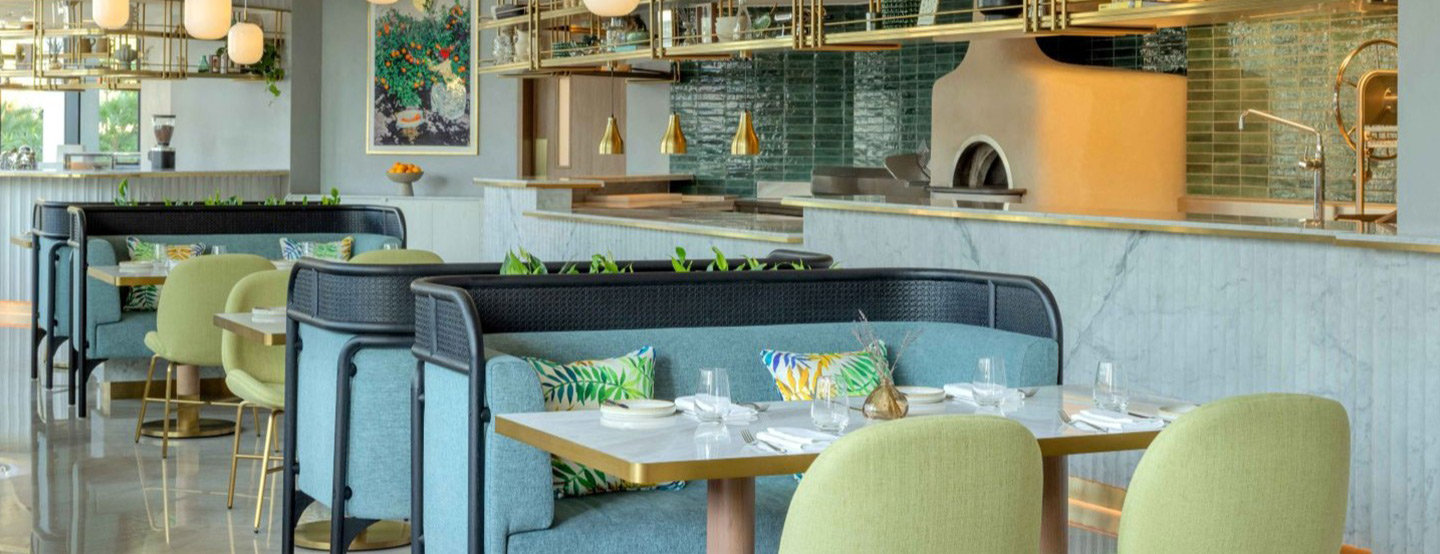
At InterContinental Residences Dubai Business Bay in the United Arab Emirates, demand-based kitchen ventilation has delivered estimated energy savings of 20–30% when compared with traditional constant‑speed ventilation systems. At InterContinental Chiang Mai The Mae Ping in Thailand, it is expected to reduce energy costs by around 45%, equivalent to approximately USD 16,000 per year when compared with conventional kitchen ventilation.
Sajeendran Nair, Cluster Director of Engineering for InterContinental Dubai Business Bay and Kimpton Sevn Dubai said, “Integrating a demand-based kitchen ventilation system from the outset has allowed us to optimise energy efficiency without compromising kitchen performance. The system’s automatic operation means our colleagues can focus on delivering exceptional guest experiences, while we benefit from significant energy savings and a reduced environmental footprint.”
For hotel colleagues, the technology operates seamlessly in the background, enabling them to focus on delivering exceptional guest experiences. For owners, it reduces energy consumption, operating costs and carbon emissions, supporting both commercial performance and long‑term sustainability goals.